
The ongoing (at least in some countries) 2008 economic meltdown has had unforeseen consequences around the world.
Firstly, ordinary citizens have been introduced into the inner workings of the capitalist system, its shortcomings and the corruption within it.
Secondly, and equally as important, ordinary citizens have suddenly discovered how politicians, and the ruling class in general, live virtually unscathed by the events that have ruined and destroyed the lives of millions.
In general, politicians have propped themselves up as a distinct, privileged class who garner prestige and wealth by virtue of their position, and not necessarily their actions, and sometimes quite the contrary.
Modesty, humbleness and the practice of preaching by deeds and not by words, are rare qualities in a politician, and indeed in leaders in general.
As proof, in our search to compile this list, only two politicians could fit the bill, the rest are spiritual and religious leaders.
The temptations of wealth, privilege and power are too great and human vanity too vast for those in positions of power to recognise the human condition.
Here are 6 leaders that led humble lives.
José Mujica
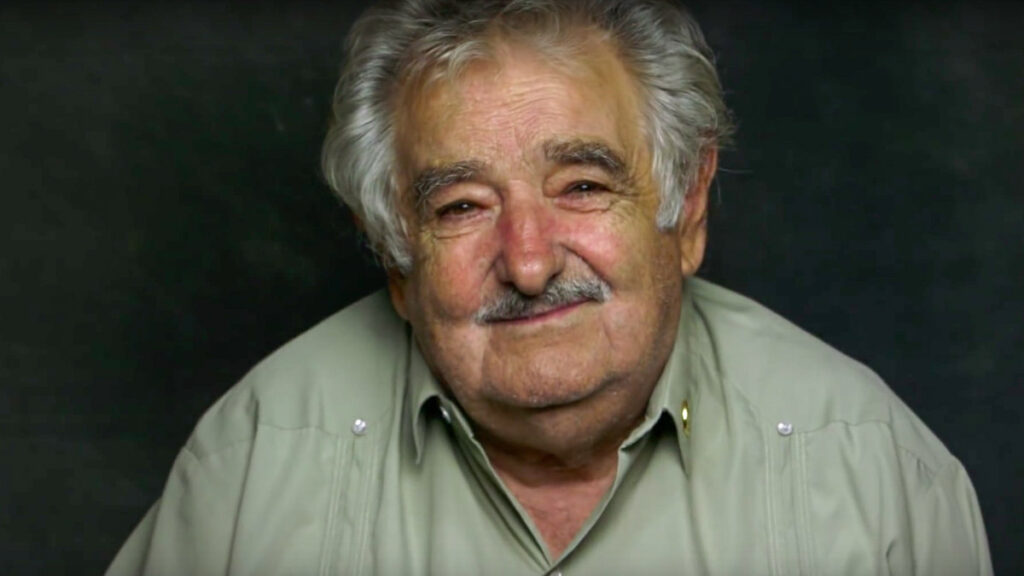
While not as recognized in the US, José Mujica made significant waves globally. Formerly the President of Uruguay, having won the position in the 2009 elections, Mujica’s monthly earnings were $12,000.
Remarkably, he gave away 90% of this to charities for the impoverished and budding entrepreneurs, leaving him with just $775 each month.
Eschewing the opulence of the presidential palace, Mujica opted for a humble farmhouse outside Montevideo and used an old VW Beetle as his mode of transport.
José Mujica's leadership style emphasized personal simplicity and social generosity.
Often referred to as “the poorest president” due to his choices, Mujica’s perspective was, “I don’t feel poor.
Those who relentlessly pursue lavish lifestyles are the real impoverished. If possessions don’t rule you, you’re liberated from the relentless cycle of work to uphold them, granting you more personal time.”
Such profound insight from an inspiring leader.
Mahatma Gandhi
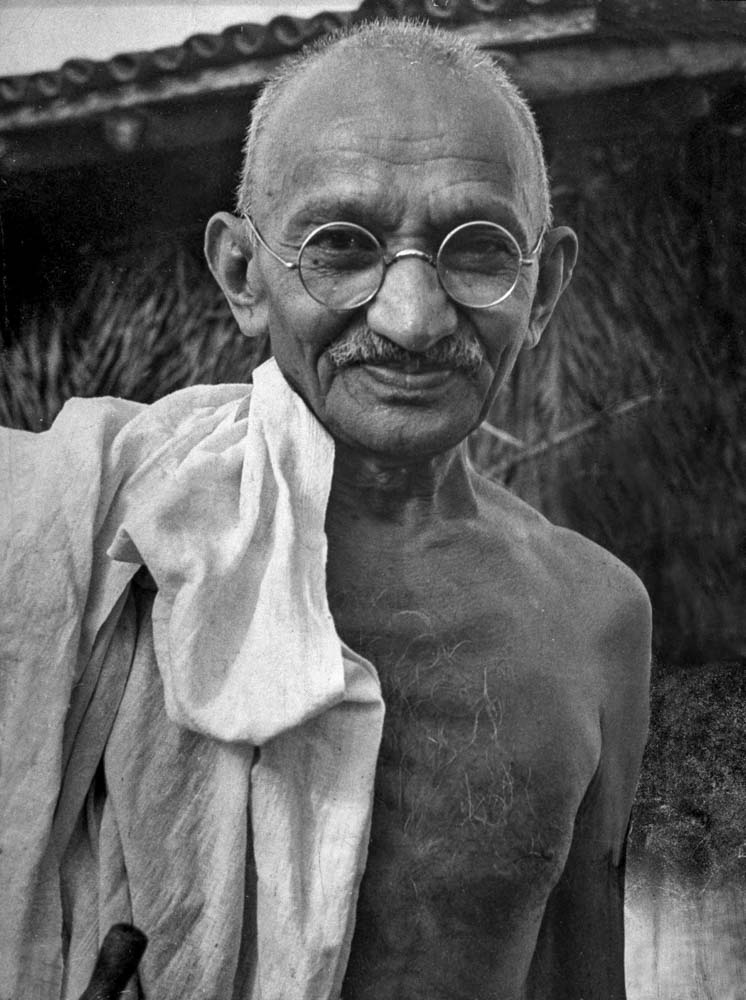
“The best way to find yourself is to lose yourself in the service of others.”
Mahatma Gandhi
One of the most influential figures of the 20th century and the man that gained Indian independence from the British Empire, Gandhi lived a simple and austere life shunning all ostentatiousness.
Though he was educated as a lawyer in London and played the part of a middle-class professional for years, he soon adopted a more austere and modest philosophy in accordance with his principles.
A single man in a simple dhoti shook an empire, proving clothes don't make the man, character does.
He set up a self-sustaining community, called an “Ashram,” and started wearing the dhoti, a rectangular piece of cloth worn by Indian men and resembling a skirt.
He renounced all wealth and privilege to extremes, even when there was a risk to his health.
Nelson Mandela
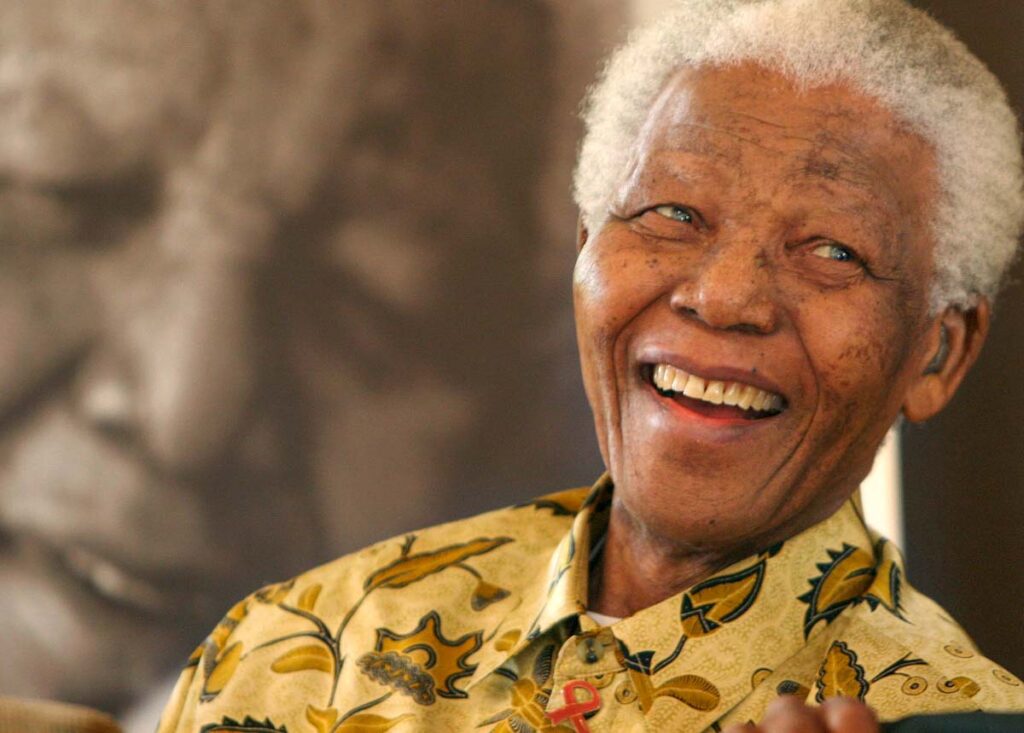
“A good head and a good heart are always a formidable combination.”
Nelson Mandela
Despite his $4 million estate bequeathed to his family and staff after his death, the great South African hero lived a modest life.
“Madiba,” as Mandela was known to his fellow Africans, became South Africa’s first black president following his release from prison after serving 27 years.
Mandela: The prison graduate who sat at the highest seat, only to lift others up.
As President, Mandela allowed his former enemy and former President of South Africa, F.W. de Klerk, to retain the presidential residence while he moved into a nearby home.
Although Mandela as President was constantly surrounded by wealth and opulence, he lived simply and donated a third of his annual income to his Nelson Mandela Children’s Fund.
Always self-effacing and free from hatred for his incarceration, Mandela, the stories of his humility are numerous.
For example, he always made his own bed, no matter where he was, shunning the help of staff; he played down his role in ending apartheid and always had a minute to greet and chat with the everyday-man on the street.
Martin Luther King Jr.
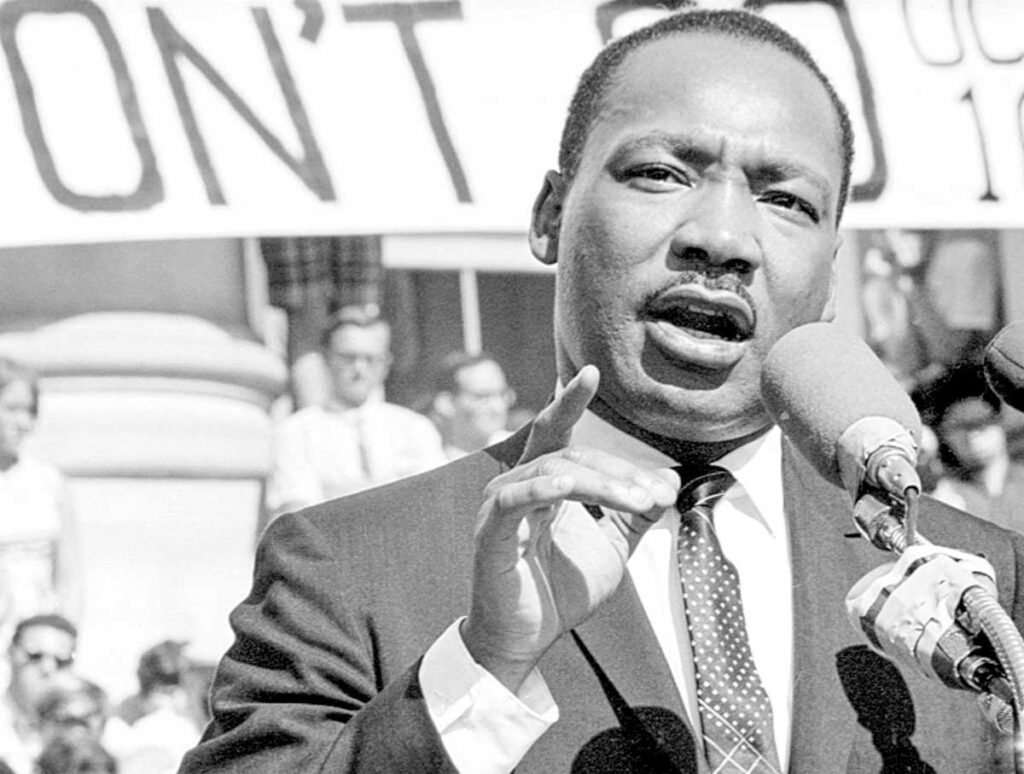
The African-American clergyman, civil rights leader, and Nobel laureate rose to great heights for his selfless sacrifice and relentless pursuit of freedom and equality for all garnering coveted awards and accolades along the way, but the man stayed true to his message.
King led a modest life even after being awarded the Nobel Peace Prize. He drove a 10-year-old Pontiac, lived in a small, rented house and received no salary from the Southern Christian Leadership Conference, which he helped found and led throughout the ‘60s up until his untimely death.
His modest lifestyle reflected the purity of his cause, diverting resources back into the civil rights movement.
All the money he earned from his speaking engagements went back to the SCLC and he and his family lived austerely from his moderate salary as a preacher.
Even the money from the Nobel Prize was donated to the cause, much to his wife’s chagrin, as she wanted it for their children’s education.
Siddhartha Gautama
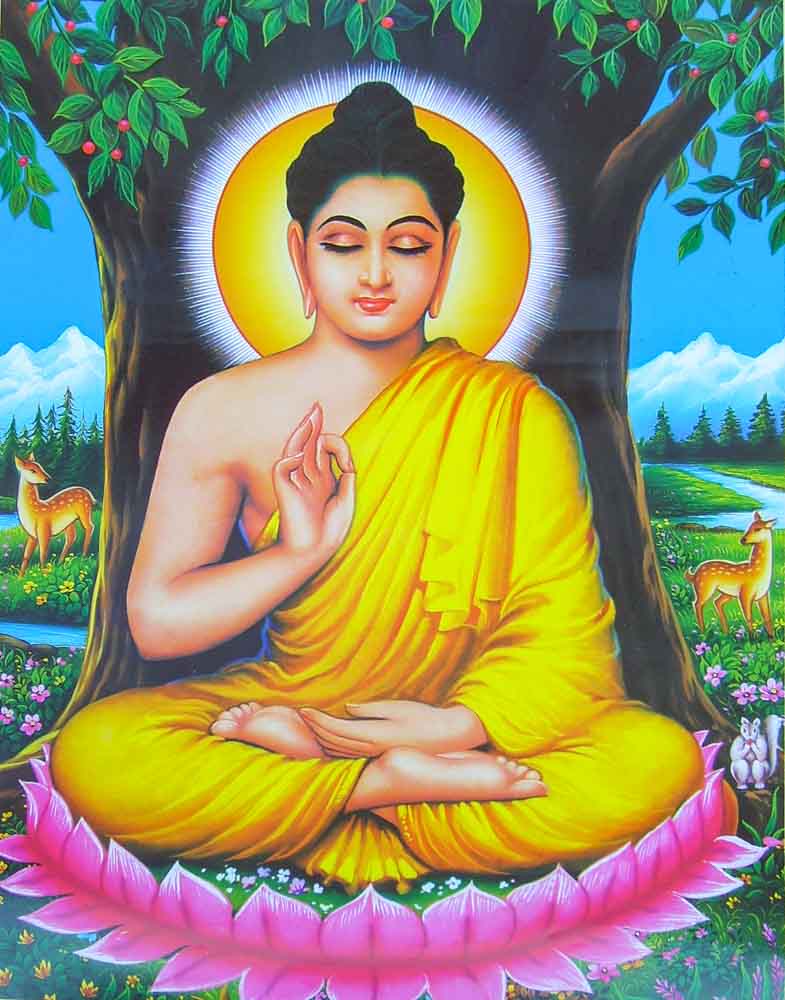
The man destined to be known as “Buddha” was born into wealth and groomed to be a prince.
Siddhartha Gautama, however, knew that his destiny lay elsewhere.
Dissatisfied with material wealth, Siddhartha left the comfort of his palace at age 29 to see what life was really like for his subjects.
On his first trip, he encountered death and poverty and other grim realities of life.
From princely robes to humble garb, the Buddha shows that wealth resides not in gold but in enlightenment.
What he saw depressed him, and then he decided to become an ascetic and beg for alms in a quest to defeat aging, disease and death.
His internal and external journeys eventually led him to an “awakening” or “enlightenment,” and thus Buddhism was born.
All the while, the erstwhile prince turned saviour renounced all wealth and lived the life of a beggar preaching the way to Nirvana.
Jesus of Nazareth
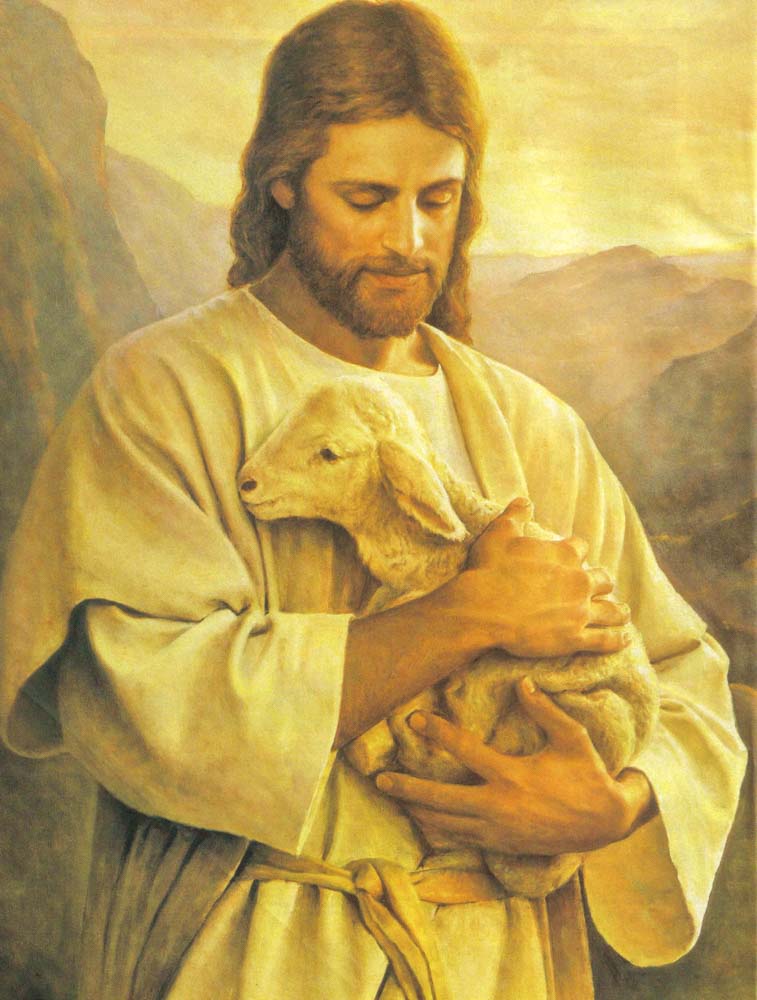
“For what shall it profit a man, if he gain the whole world, and suffer the loss of his soul?”
Jesus Christ, Mark 8:36
The most famous man in history (at least for Christians) and unwitting founder of Christianity was born into a humble family, whose head was a carpenter.
Jesus himself was born in a stable full of livestock.
The Son of God, as he is referred to by Christians, was born poor, lived and preached poverty and died poor.
Few other religious or political figures embody poverty or praise it like Jesus.
Jesus of Nazareth: Born in a stable, died on a cross, changed the world in between.
After His baptism, Jesus went into the wilderness and lived as a starving person might, without food for forty days.
He lived the life of a poor itinerant preacher, walking on foot for thousands of miles and often sleeping outdoors.
He shared living quarters with the poor, healed the poorest of the poor, the blind, the lame, the lepers and the possessed. He lived like the homeless of today.
Jesus tells the rich to give away all their possessions and to follow him.
Jesus died like a common criminal, stripped bare, beaten and hung on the Cross and watched the soldiers gamble for his robe, his one material possession.
Humility: the ultimate luxury
The Humble Chronicles—a delightful romp through the lives of leaders who said “no thanks” to the penthouse and “yes please” to the moral high ground.
While the rest of us were busy Googling how to get rich quick or how to become Instagram famous, these paragons of virtue were out there living like they were auditioning for a reality show called “Who Wants to Be a Humble Millionaire?”
But let’s not kid ourselves; their humility didn’t come with a how-to manual. It’s almost as if they were trying to make a point: that the real penthouse is not made of bricks and marble, but of good deeds and selflessness.
When you are tempted to splurge on that Gucci belt or that Fifteen’s iPhone, remember these folks. They might just inspire you to invest in something a little more… eternal.